












Tokyo Stillness
See Tokyo, differently.
History, Culture & Artisans 2026.08.21
A Fleeting Burst of Light, Shaped by Months of Work—A Fireworks Master on the Beauty of Japanese Fireworks
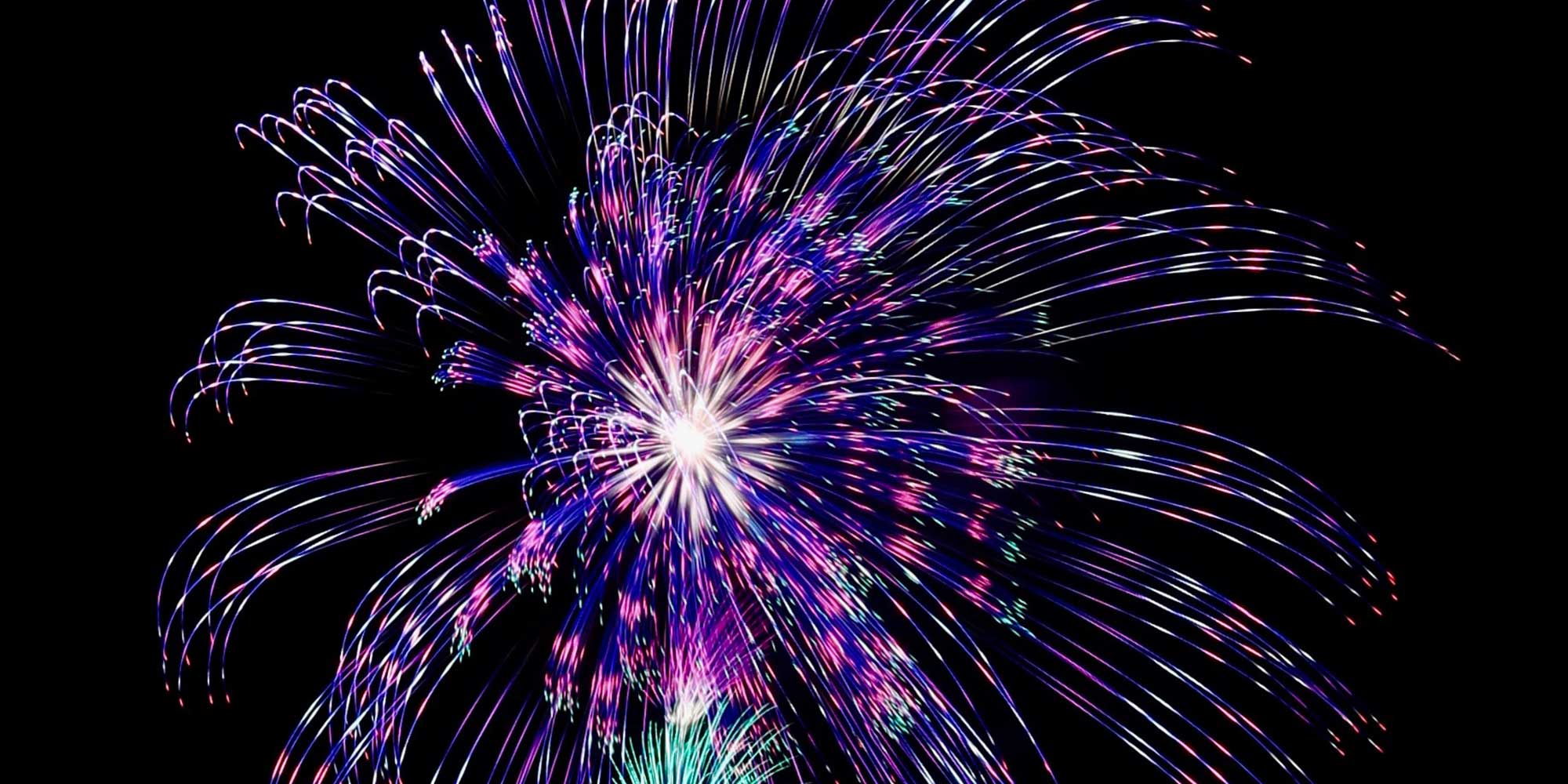
Fireworks bloom in the night sky and disappear within seconds. Yet each burst is the result of months of preparation—blending powder, shaping the “stars,” and thoughtfully designing color and form.
We spoke with Kohei Ogatsu, fifth-generation head of Marutamaya Ogatsu Fireworks, about the quiet, methodical work behind these moments of brilliance—and what they reveal about Japanese aesthetics.
Why Fireworks Define Summer in Japan
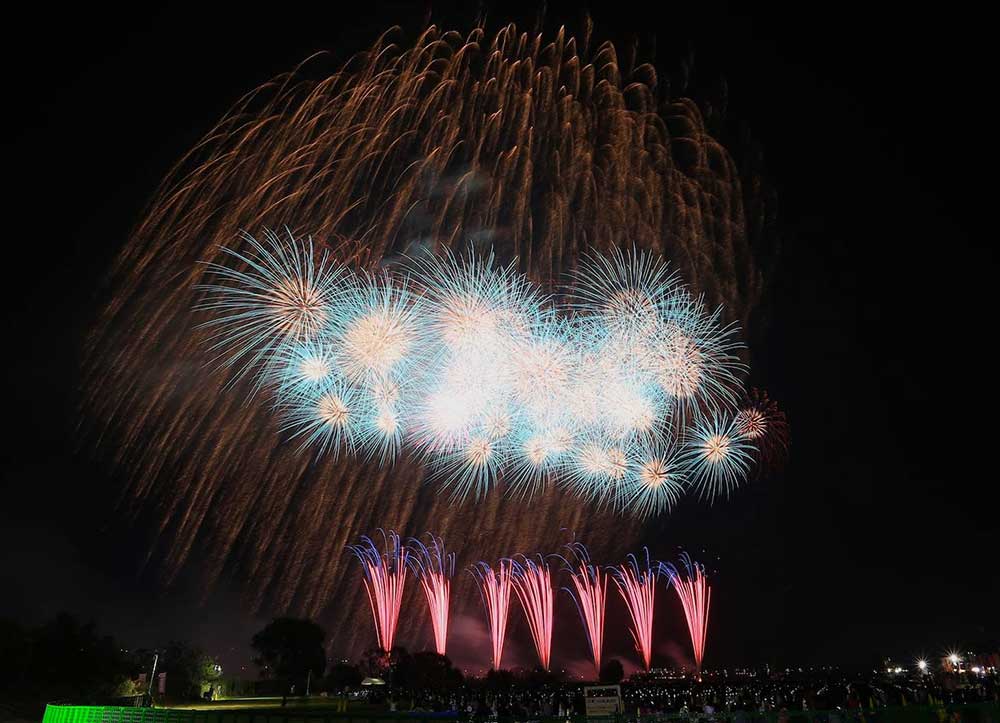
For many across Japan, summer is inseparable from fireworks—the glow in the sky, the evening breeze, crowds along the river, the distant echo of explosions. Fireworks are more than just an event; they are part of our seasonal memories.
Yet, few have the chance to see what happens behind the scenes. How a single firework is made, how much time goes into it—these are details that remain largely hidden when you’re simply looking up.
Inside a Legacy Fireworks Company
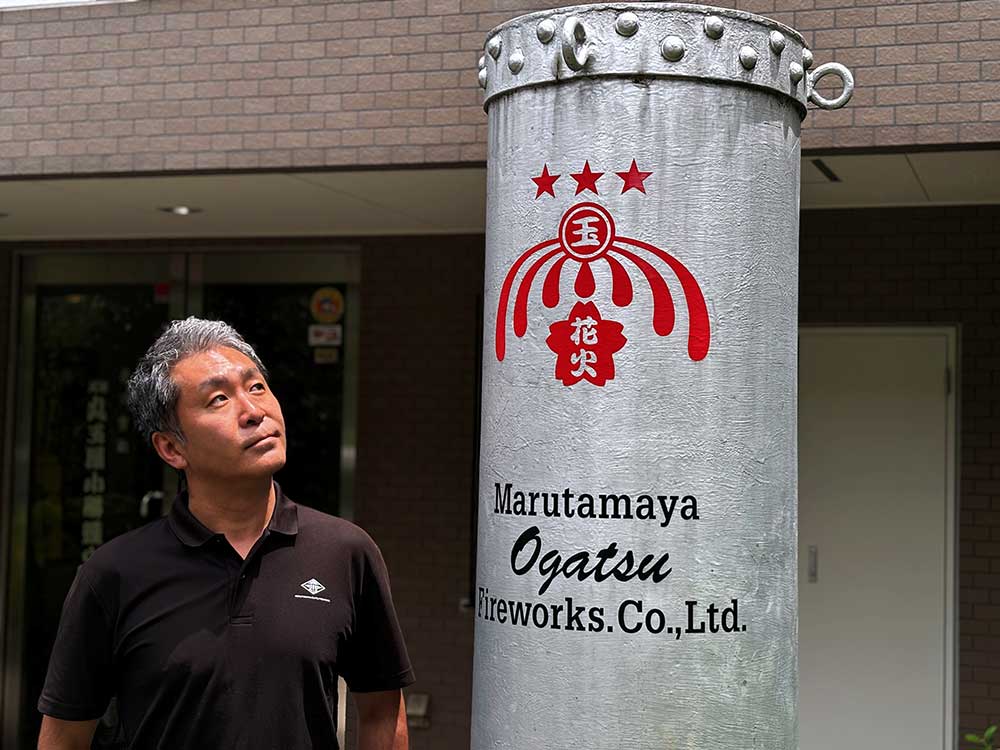
Marutamaya Ogatsu Fireworks is one of the long-established companies at the heart of Tokyo’s fireworks culture. While preserving traditional Japanese techniques, the company also explores contemporary expressions—integrating music into fireworks and developing displays suited to urban settings and modern viewing styles.
We spoke with Kohei Ogatsu, the company’s fifth-generation president. He was first drawn to the craft at 18, standing at a launch site for the first time.
“Fireworks I’d only ever watched from a distance were suddenly launching right in front of me and opening overhead. That experience is what drew me into this world.”
Seconds of Light, Months in the Making
A fireworks maker’s job doesn’t begin on the day of the event. For annual displays, preparation for the following year starts the very next day.
“If someone suddenly asked ‘Can you put on a show tomorrow?’—that wouldn’t be possible,” Ogatsu says with a laugh. “You really need months of preparation.”
At the center of that process is the making of hoshi—small pellets of explosive material that produce color when the firework bursts. Red, blue, green, gold, silver—each color has its own formula, and the size of the stars varies depending on their role.
“Making the stars takes a tremendous amount of time. It’s something we’re constantly working on.”
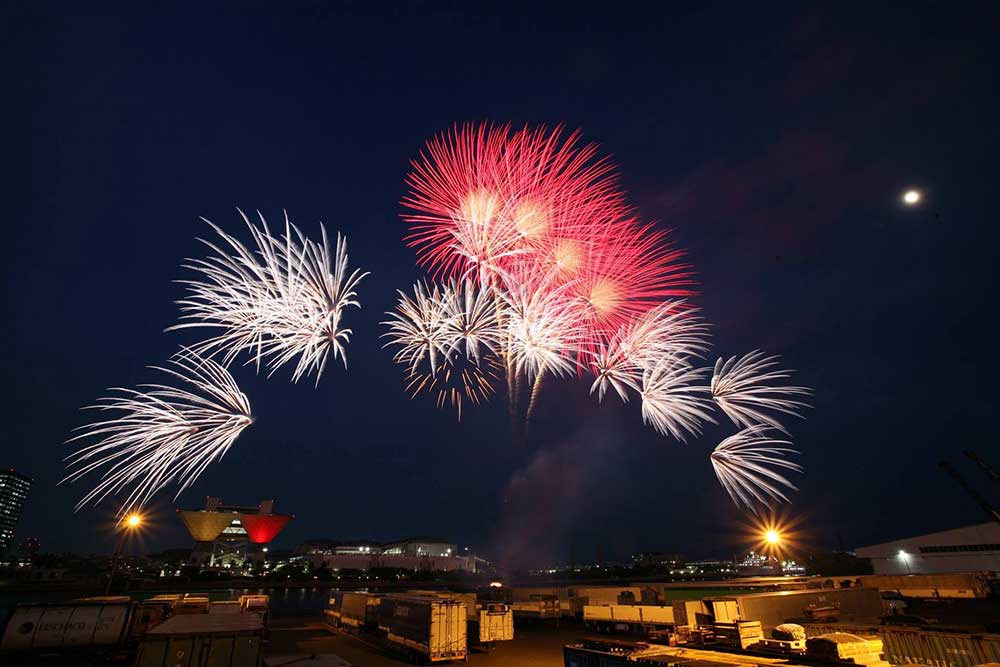
When asked how long it takes to complete a single shell, Ogatsu says there’s no simple answer. The processes overlap—making the stars, preparing the bursting charge, assembling the shell, and reinforcing it with layers of paper—all happening simultaneously.
Each firework lasts only a few seconds in the sky. But behind every moment are months of preparation and the steady dedication of daily craftsmanship.
A Blueprint Inside Each Shell
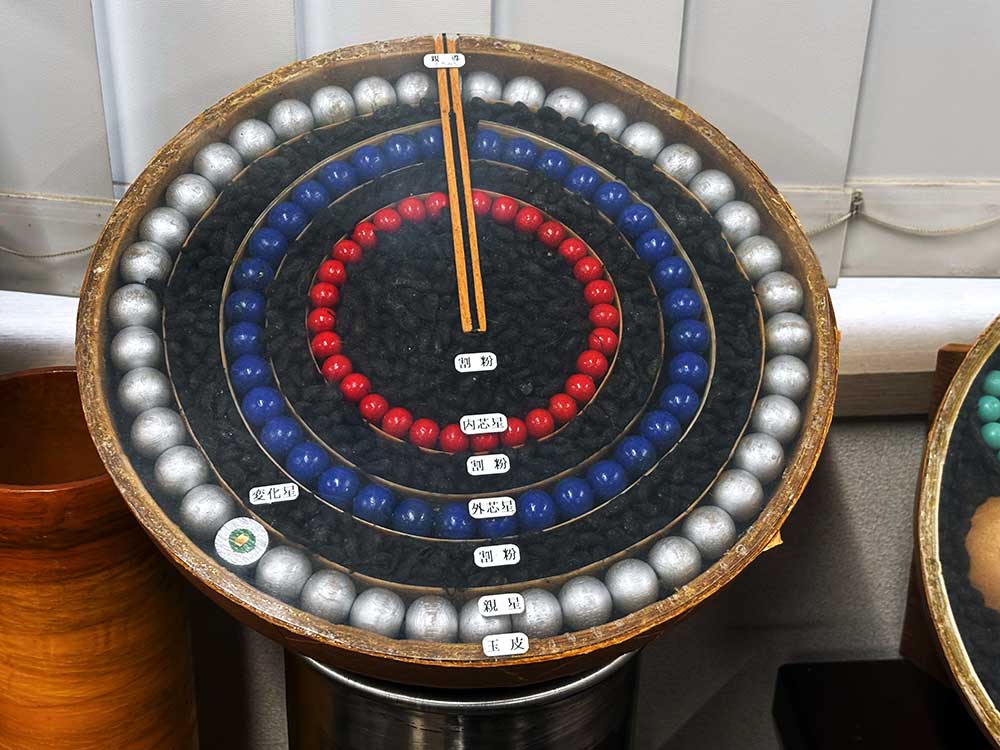
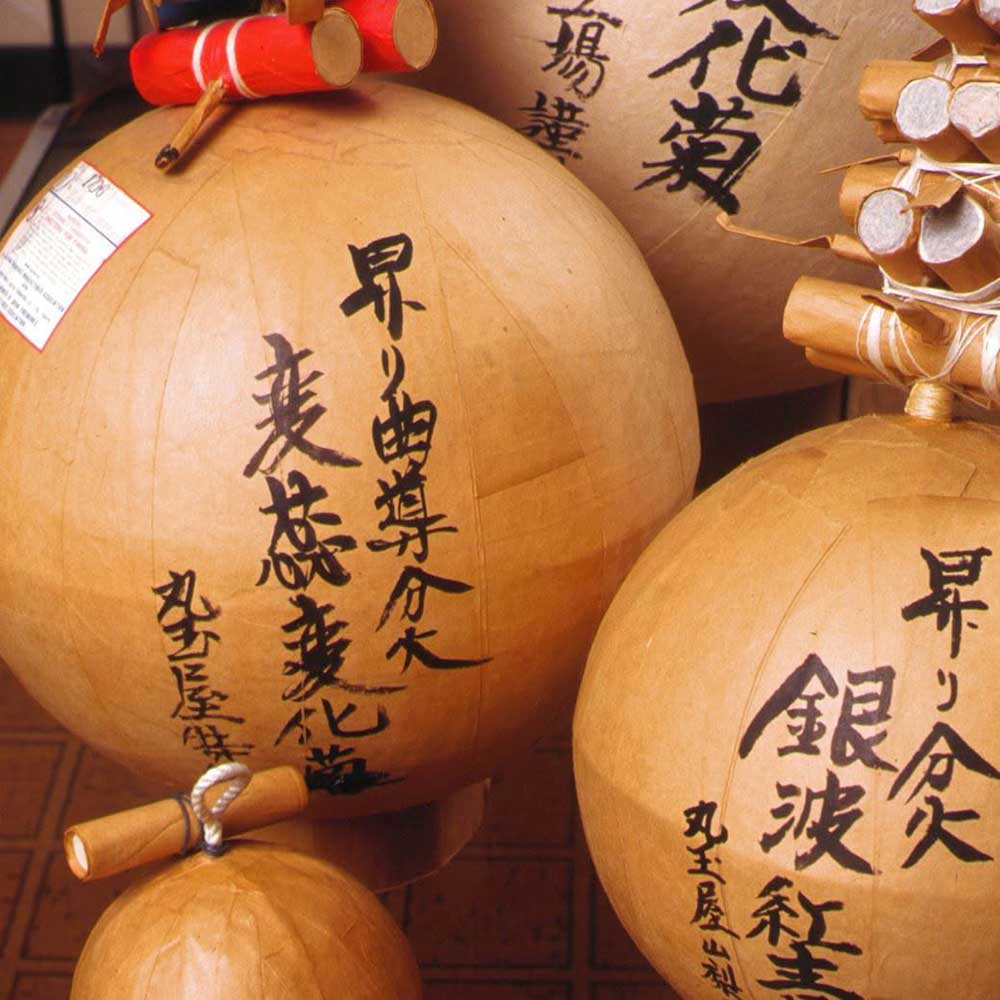
A model of a firework shell reveals its inner structure—the placement of stars and layered composition that determines how it will bloom in the sky.
The shape of a firework is never accidental. Which stars go inside, where they are placed, and in what order directly define the form that appears overhead.
“In principle, the arrangement of stars inside the shell spreads out just as it is set. If you lay them out in a heart shape or a smile on a flat surface, they’ll open that way in the sky.”
While the theory may sound simple, the execution is highly precise.
“A one-centimeter shift inside the shell can turn into a difference of tens of meters in the sky. That’s why both the core and the stars have to be perfectly round—otherwise the shape won’t expand as intended.”
Within those few seconds of light are layers of time and invisible precision. A firework shell isn’t just filled with explosives—it’s a blueprint for drawing in the sky.
The Japanese Approach: Perfecting a Single Shot
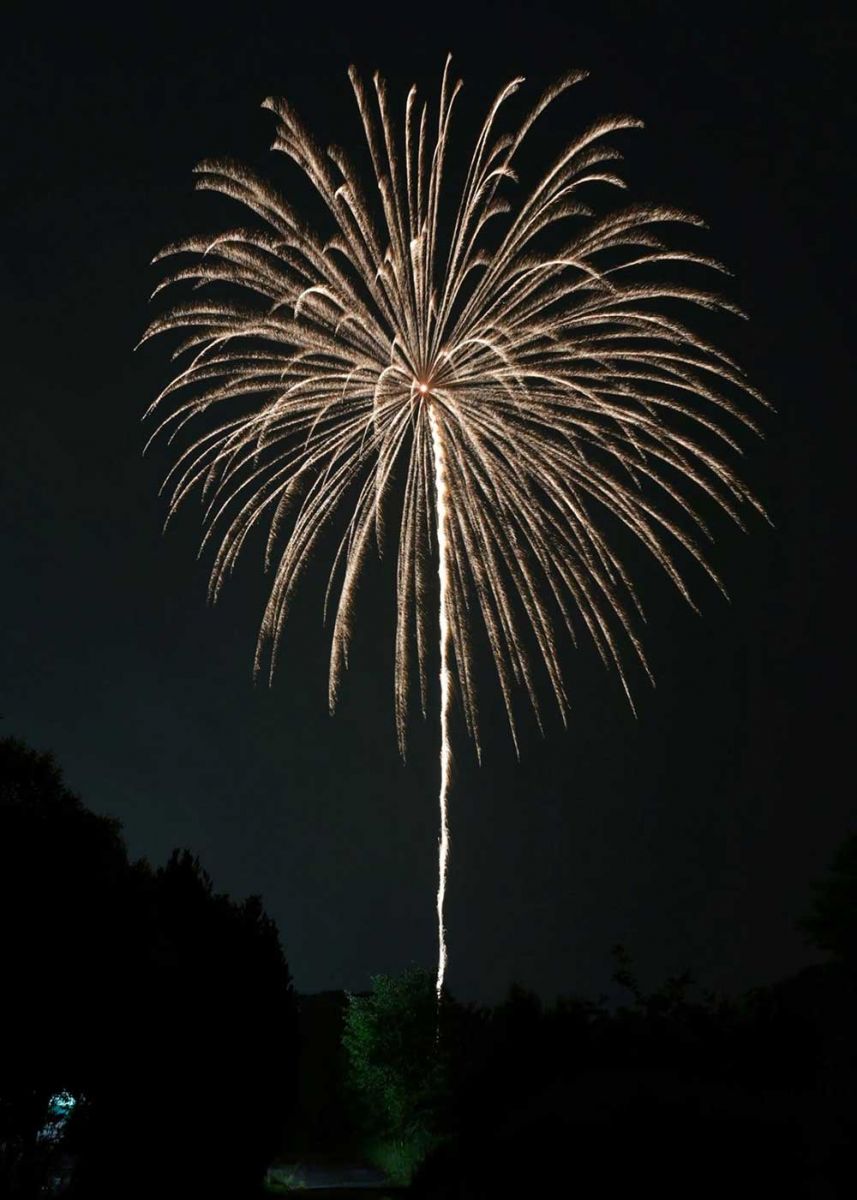
Fireworks are enjoyed across the world. In many places, they light up large-scale celebrations—Independence Day or countdown events—where volume and spectacle take center stage. In contrast, Ogatsu describes Japanese fireworks as a culture that pursues perfection in every single burst.
“We can’t compete in scale. Many fireworks companies in Japan are small, sometimes family-run. So rather than mass producing, we focus on making each one exceptional.”
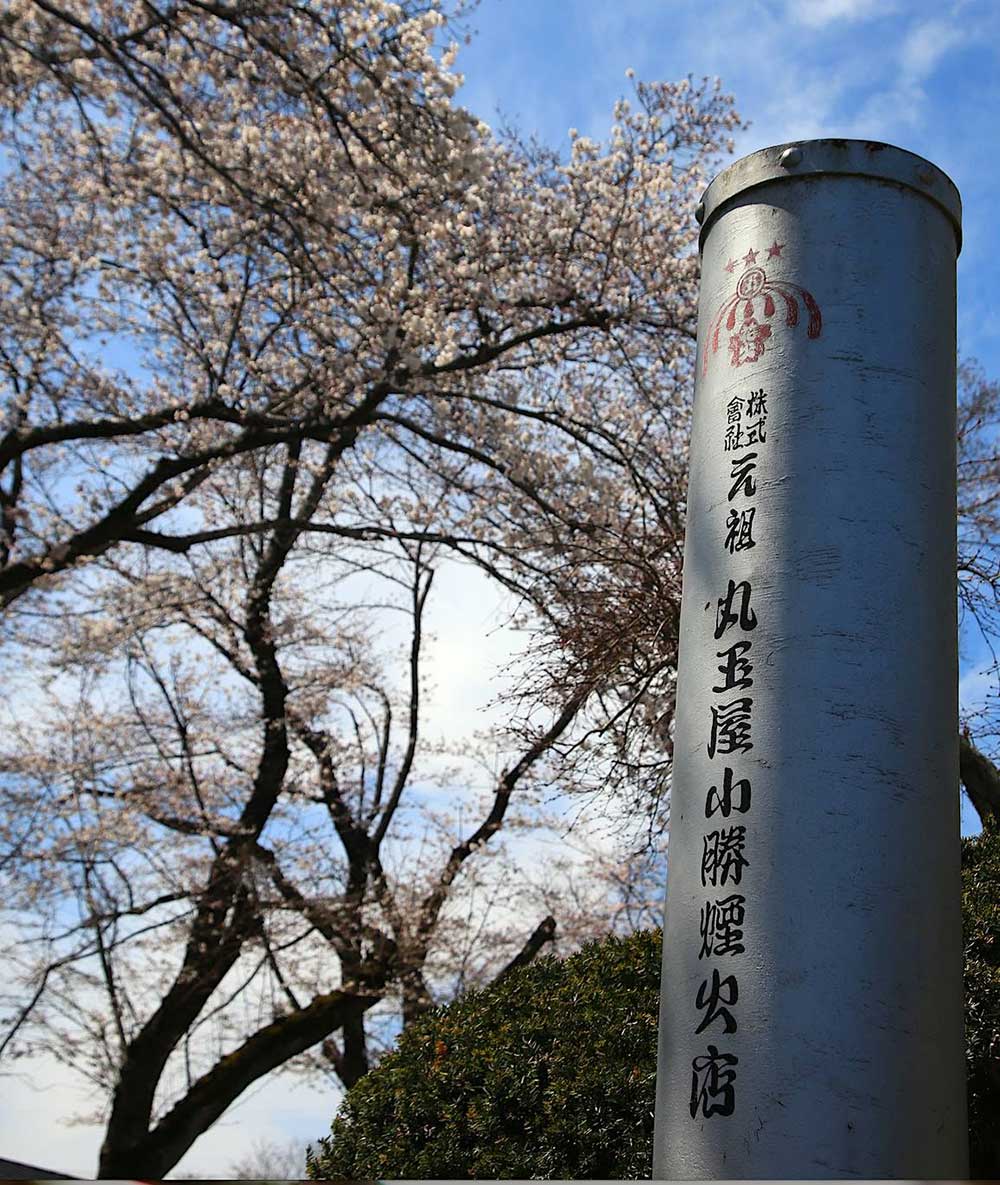
And above all, safety remains fundamental.
For the audience, fireworks evoke beauty and wonder. For the maker, each one must launch safely, harm no one, and conclude without incident. That responsibility underpins everything.
A Different Way to See Fireworks
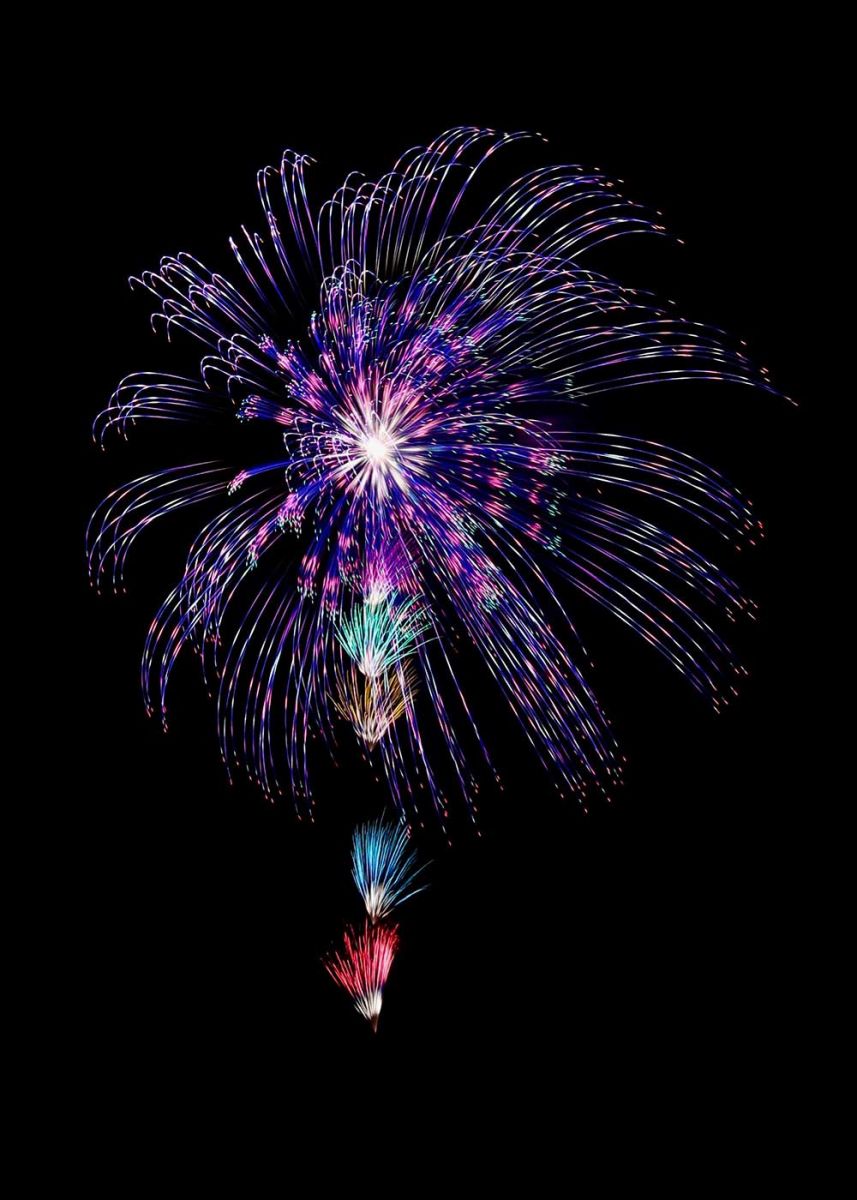
Ogatsu encourages first-time visitors to Japan to watch fireworks at the venue itself, if possible.
“Of course, it’s fine to enjoy them from a distance. However, fireworks are best enjoyed from the designated viewing area. If you make the trip and watch from the perfect spot, the experience is completely different.”
At Hilton Tokyo Odaiba, guest rooms open onto balconies facing Tokyo Bay. In winter, the Odaiba Rainbow Fireworks can sometimes be seen from the hotel. And on October 24, 2026, the Tokyo Bay Grand Fireworks Festival is set to return after more than a decade.
Once you understand the work behind each display, every single burst looks different. Within that light are months of preparation, the work of skilled hands, and a quiet hope for a safe launch.
If fireworks happen to illuminate the night sky during your stay, what you see from the balcony becomes more than just a view—it becomes a moment of connection with Tokyo’s culture.


